Every year, tens of thousands of people from across the country pack moving trucks and point them toward North Texas. Between 2020 and 2025, the Dallas–Fort Worth metroplex added more new residents than any other metro area in the United States — and the momentum shows no signs of slowing. But raw population numbers don't explain why people keep choosing Dallas over cities with more coastline, milder summers, or older cultural pedigrees. Therefore, we're laying out the five most compelling reasons Dallas keeps winning the relocation debate — from the bottom-line economics to the food scene that quietly rivals any city in America.
And once you're here? The best way to explore your new city is with a group of friends on a party bus. But first, let's talk about why you should make the move.
1. The Economy: No State Income Tax and a Fortune 500 Powerhouse
Let's start with the number that gets everyone's attention: Texas has no state income tax. For a professional earning $100,000 in California, that's roughly $6,000–$9,000 per year that stays in your pocket instead of going to Sacramento. For a dual-income household, the savings can fund a down payment within a couple of years.
But the tax advantage is only part of the story. Dallas–Fort Worth is home to 22 Fortune 500 company headquarters — more than any metro except New York City. The roster reads like a who's who of American industry: AT&T, ExxonMobil, Southwest Airlines, Texas Instruments, American Airlines, Kimberly-Clark, Jacobs Engineering, and CBRE Group, among others. In recent years, major relocations from California and the Northeast have brought Charles Schwab (from San Francisco), Caterpillar (from Illinois), and AECOM into the DFW fold.
The tech sector is booming. The "Silicon Prairie" corridor stretching from Plano through Richardson and into Frisco has attracted major campuses from Toyota, Liberty Mutual, JPMorgan Chase, and dozens of startups. The median household income in DFW hovers around $75,000, while the cost of living remains 2–8% below the national average (compared to 40–60% above average in San Francisco or New York).
The job market is diverse and resilient. Unlike cities dependent on a single industry, DFW's economy spans defense, healthcare, logistics, finance, technology, energy, and telecommunications. That diversification is why Dallas weathered the 2008 recession and the 2020 pandemic better than most major metros.
Dallas-Fort Worth is the 4th largest metro in the US with over 8 million residents — and growing by 300+ people every day.
2. Food & Culture: A World-Class Scene That Doesn't Get Enough Credit
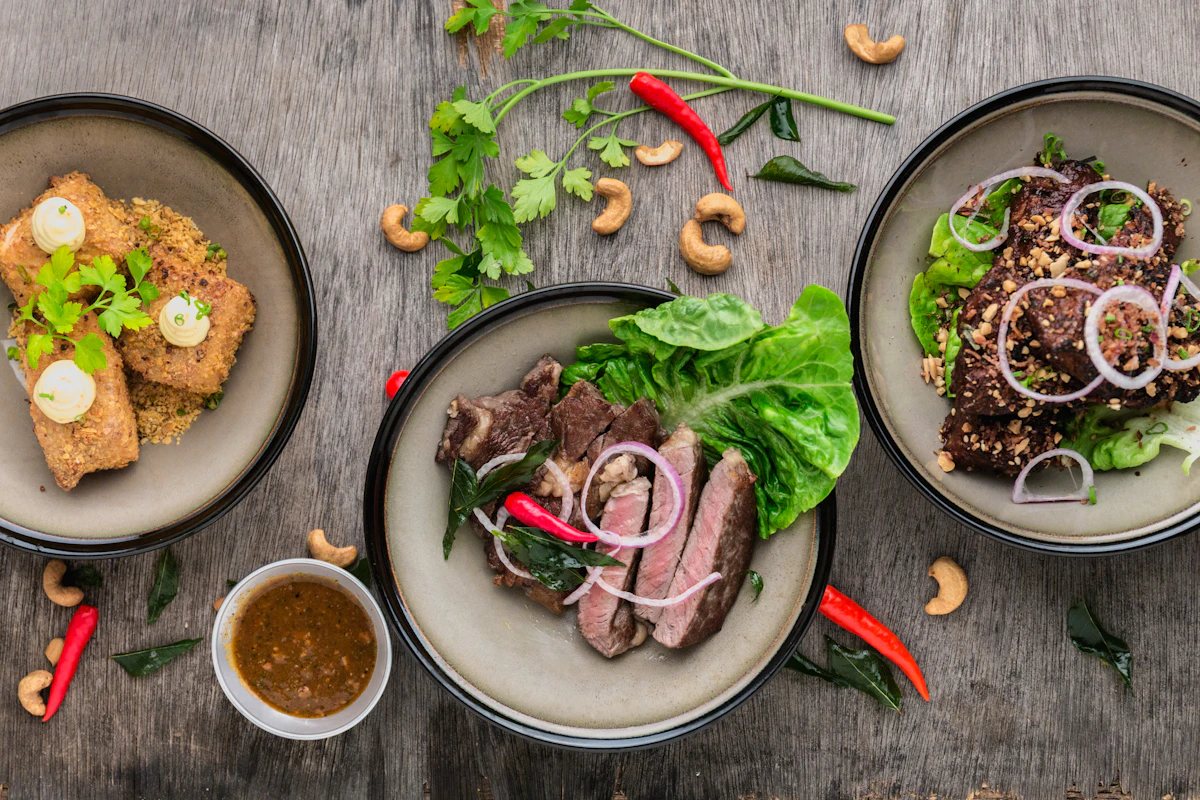
Dallas's dining scene has undergone a revolution in the past decade. The city now boasts multiple James Beard Award winners and nominees, a thriving food hall movement, and a BBQ tradition that draws pilgrimages from around the world.
The BBQ alone is worth the move. Pecan Lodge, Cattleack Barbeque, and Terry Black's regularly appear on national "best of" lists. But Dallas's food identity extends far beyond smoked meat. Uchi Dallas brings James Beard–winning Japanese cuisine. Meso Maya serves regional Mexican dishes you won't find at any chain. The Korean BBQ scene in Carrollton rivals Los Angeles's Koreatown, and the Vietnamese corridor on Garland's Walnut Street is a national treasure.
The Dallas Arts District is the largest contiguous urban arts district in the United States — 68 acres of museums, performance venues, and galleries. The Dallas Museum of Art (free general admission), the Nasher Sculpture Center, the Crow Museum of Asian Art, and the AT&T Performing Arts Center (home to the Dallas Symphony Orchestra, Dallas Opera, and Dallas Theater Center) create a cultural density that surprises newcomers.
Food halls have exploded across DFW. Legacy Hall in Plano was one of the first large-scale food halls in Texas. Legacy Food Hall, The Exchange in the AT&T Discovery District, and Deep Ellum's growing collection of chef-driven concepts give every neighborhood a culinary anchor.
Plan Your Trip with Our Free Tools
3. Sports & Entertainment: Never a Dull Weekend
Dallas is one of only a handful of American cities with teams in all five major professional sports leagues — and each one plays in a world-class venue:
- Dallas Cowboys (NFL) — AT&T Stadium in Arlington, the $1.2 billion "Jerry World"
- Dallas Mavericks (NBA) — American Airlines Center, fresh off championship glory
- Dallas Stars (NHL) — American Airlines Center
- Texas Rangers (MLB) — Globe Life Field in Arlington, the retractable-roof palace
- FC Dallas (MLS) — Toyota Stadium in Frisco
Beyond the pros, DFW is college football country. SMU plays in the ACC, and every fall, the Red River Rivalry (Texas vs. Oklahoma) takes over Fair Park and the Cotton Bowl. The State Fair of Texas — running for 24 days every autumn — draws over 2 million visitors with midway rides, live music, and those legendary fried foods.
Six Flags Over Texas in Arlington is the original Six Flags park. Toyota Music Factory in Irving hosts major concerts in an open-air pavilion. And Deep Ellum's live music scene — with venues like Trees, The Bomb Factory (now The Factory), and Dada — gives Dallas a genuine indie music heartbeat.
Party buses in Dallas save groups an average of $40-100 per person compared to individual rideshares for a 4-hour night out.
4. Neighborhoods: Something for Every Lifestyle
One of Dallas's greatest strengths is its neighborhood diversity. Unlike cities with a single dominant personality, DFW offers radically different lifestyles within a 30-minute drive:
Ready to Book Your Lifestyle Ride?
Call (214) 945-0983 or get a free quote online.
Uptown — Young Professionals
Walk-to-everything density with high-rises, rooftop bars, and the Katy Trail running through the center. The McKinney Avenue Trolley connects restaurants and nightlife without needing a car. This is where Dallas's 25-to-35 crowd gravitates.
Bishop Arts District — Artsy & Eclectic
Colorful murals, independent boutiques, craft cocktail bars, and a community-first vibe. Bishop Arts in Oak Cliff has become one of the most interesting neighborhoods in the South, with a mix of longtime residents and creative newcomers fueling a genuine cultural renaissance.
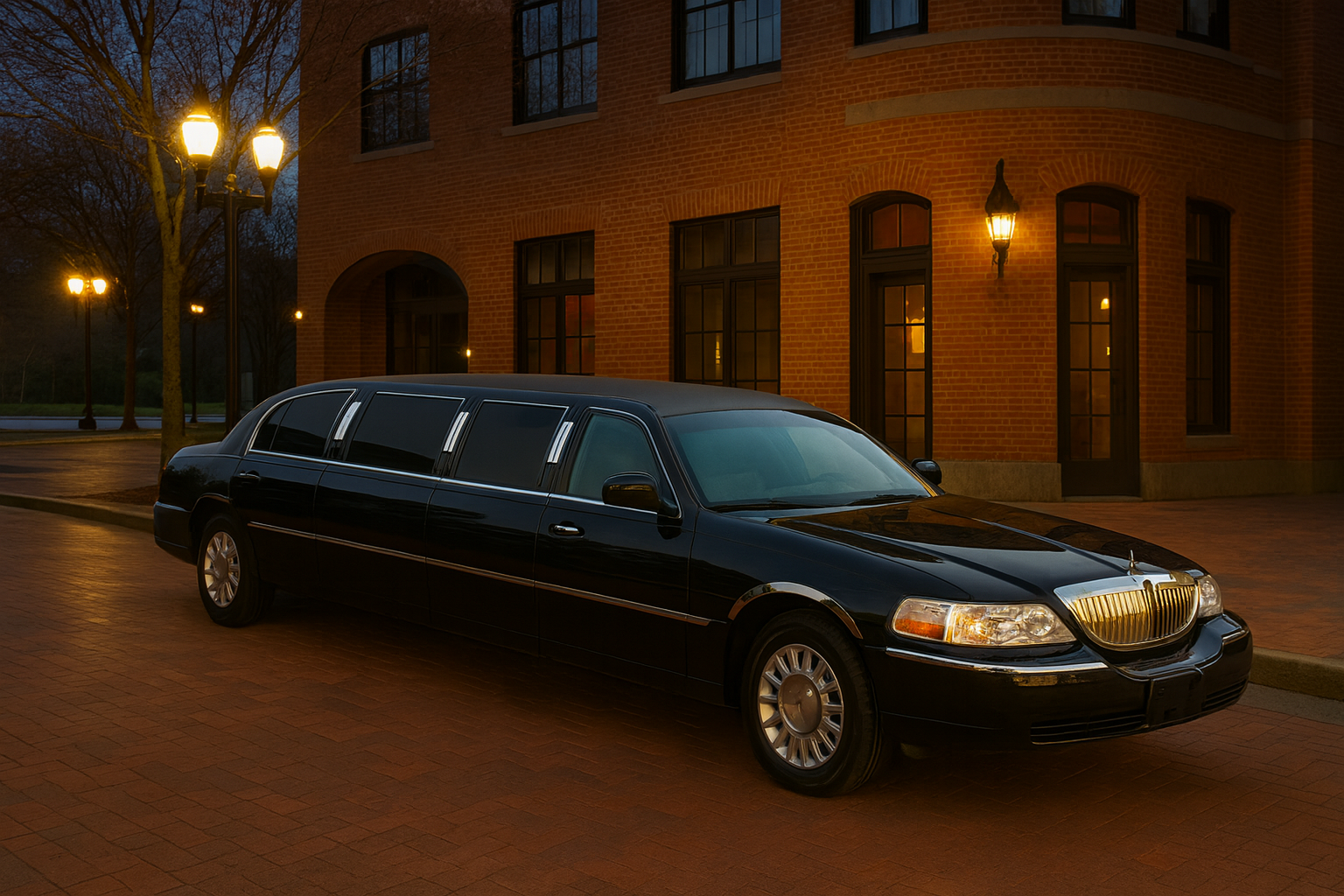
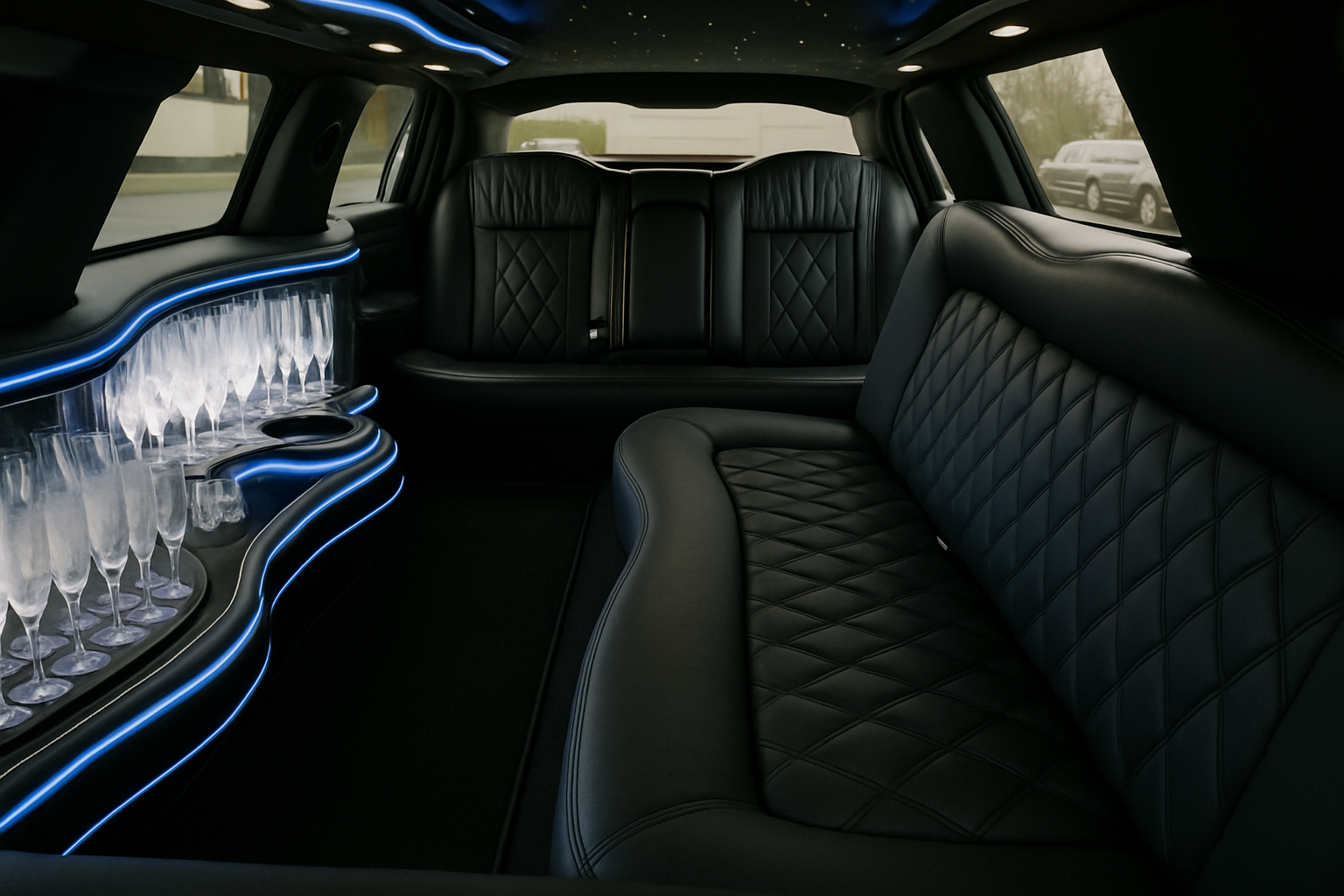
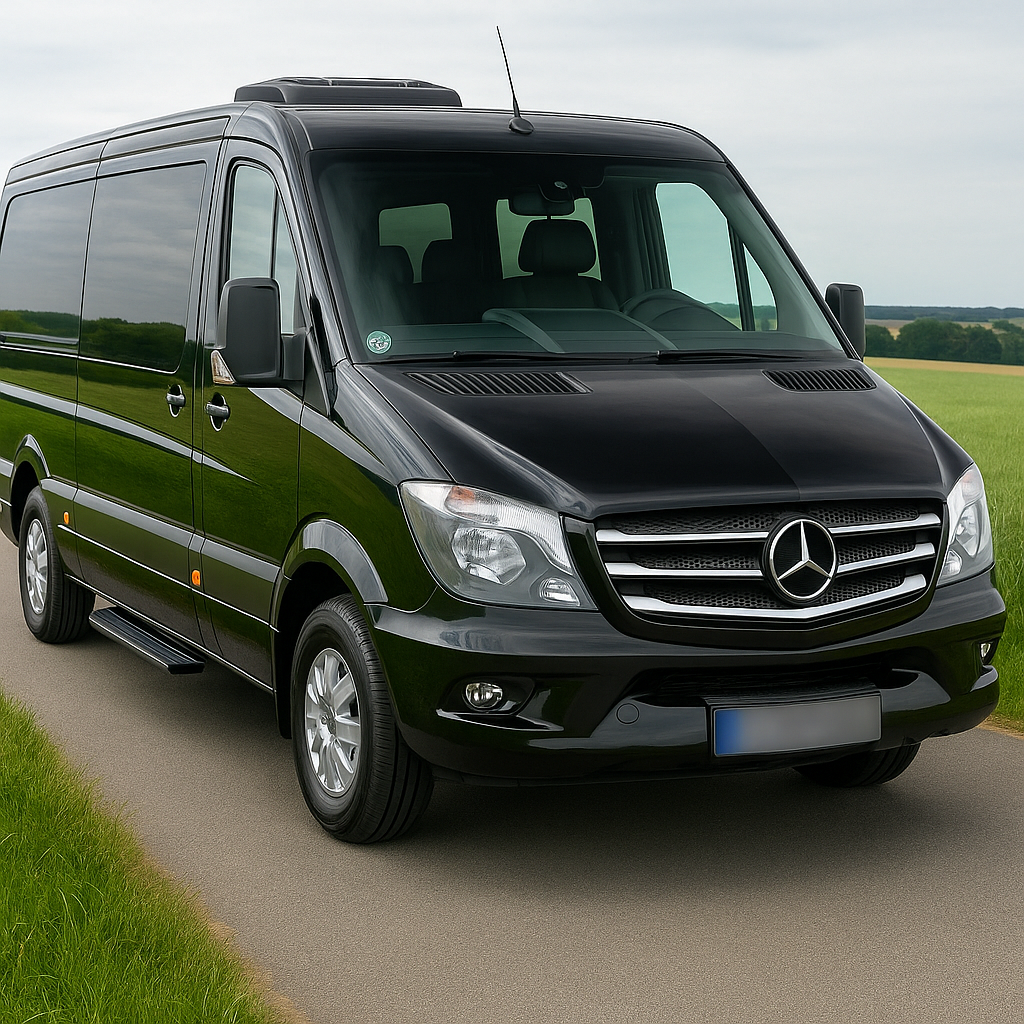
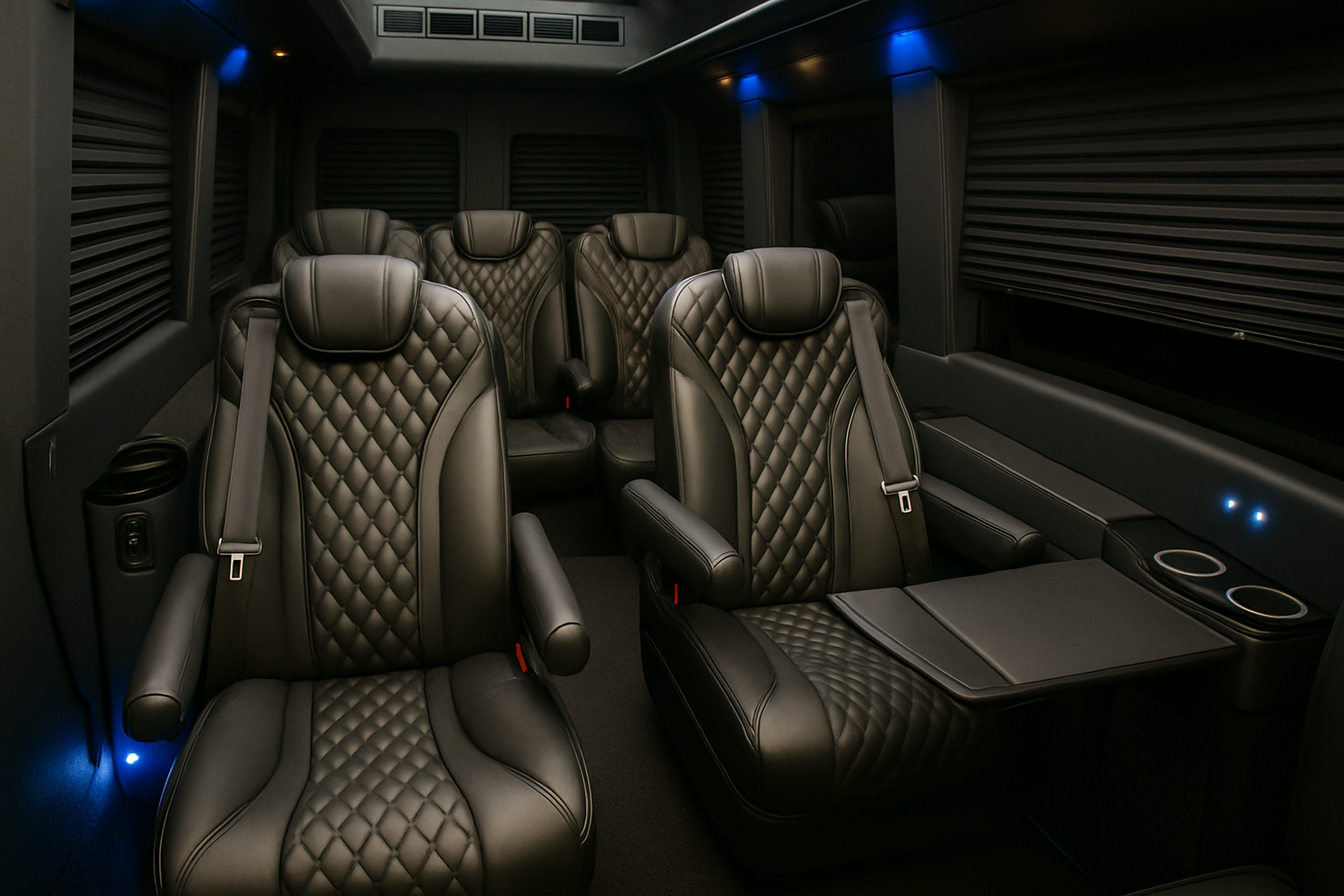
Find the Perfect Vehicle
Frisco — Families & Growth
Top-rated Frisco ISD schools, master-planned communities, The Star (the Cowboys' headquarters and a mixed-use development), and a family-friendly downtown district that barely existed 15 years ago. Frisco has grown from 33,000 people in 2000 to over 230,000 today.
Popular Events We Serve
Highland Park — Luxury & Legacy
Tree-lined streets, estate homes, Highland Park Village (the first self-contained shopping center in America, built in 1931), and some of the most valuable real estate in Texas. HP ISD is consistently ranked among the top school districts in the state.

Deep Ellum — Creative & Gritty
Dallas's original arts and music district, with murals on every surface, live music seven nights a week, breweries, galleries, and a creative energy that feels distinctly un-corporate. It's walkable, loud, and alive.
The average party bus group in Dallas has 18 people — just the right size for a 20-passenger bus with room to move.
5. Climate & Outdoors: More Sunshine Than You'd Expect
Dallas averages 232 days of sunshine per year — more than San Diego's overcast marine layer would have you believe about Texas. Yes, summers are hot (expect 95–105°F from June through August), but the trade-off is mild winters where 50–60°F days are the norm and snow is a novelty rather than a burden.
The outdoor recreation options surprise newcomers:
- White Rock Lake — A 1,015-acre lake surrounded by a 9.3-mile trail, minutes from downtown. Running, cycling, kayaking, and picnicking with a skyline view.
- Katy Trail — A 3.5-mile rails-to-trails path running through Uptown and the Turtle Creek area. The most popular running and cycling path in the city.
- Cedar Ridge Preserve — 600 acres of Audubon-managed wilderness in southwest Dallas with nine miles of hiking trails and surprisingly rugged terrain with elevation changes.
- Trinity River Corridor — The massive Trinity River project is transforming the floodplain south of downtown into one of the largest urban parks in America.
Dallas is also a gateway. The Texas Hill Country (Fredericksburg, Wimberley, Hamilton Pool) is a 3.5-hour drive south. Gulf Coast beaches (Galveston, Port Aransas) are 4–5 hours away. Big Bend National Park is a full day's drive but worth every mile. And weekend trips to Austin, San Antonio, or Oklahoma are easy three-hour drives.
Plan Your Trip with Our Free Tools
Explore Your New City by Party Bus
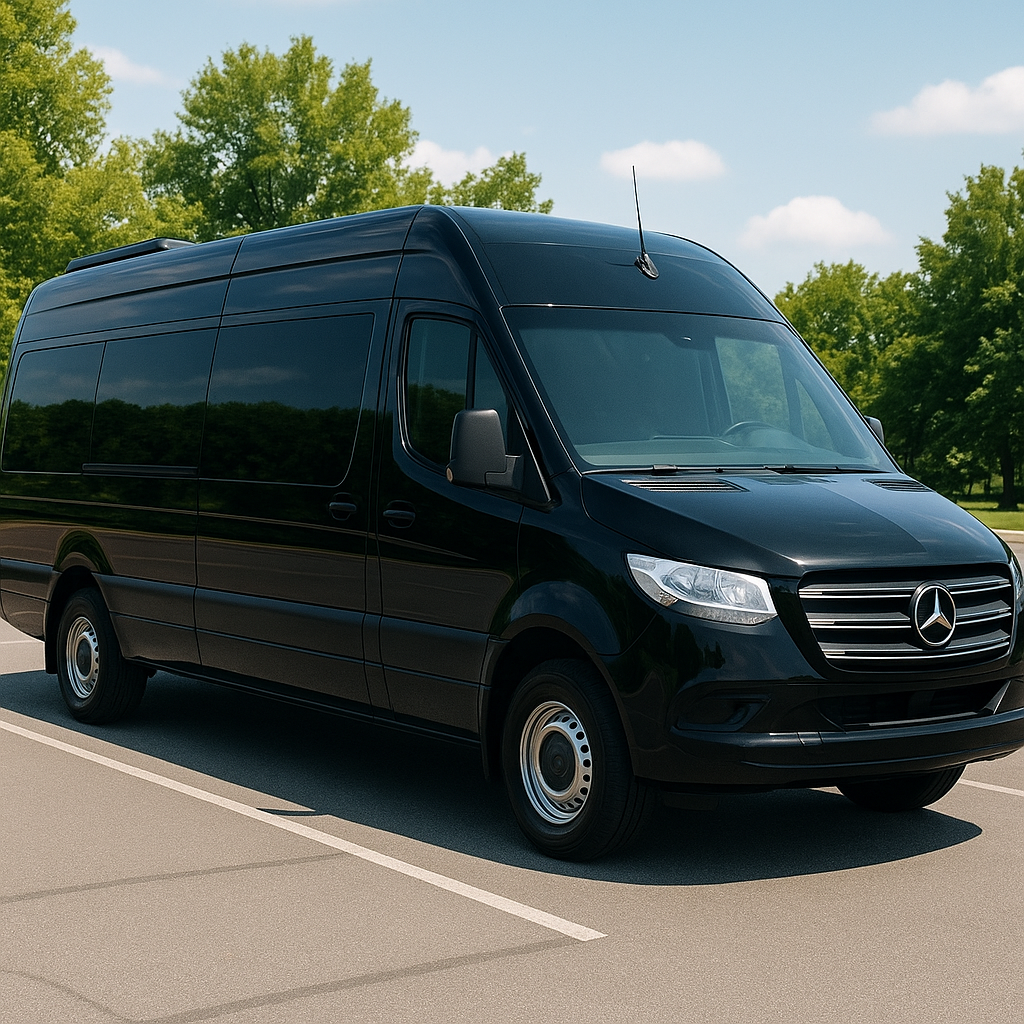
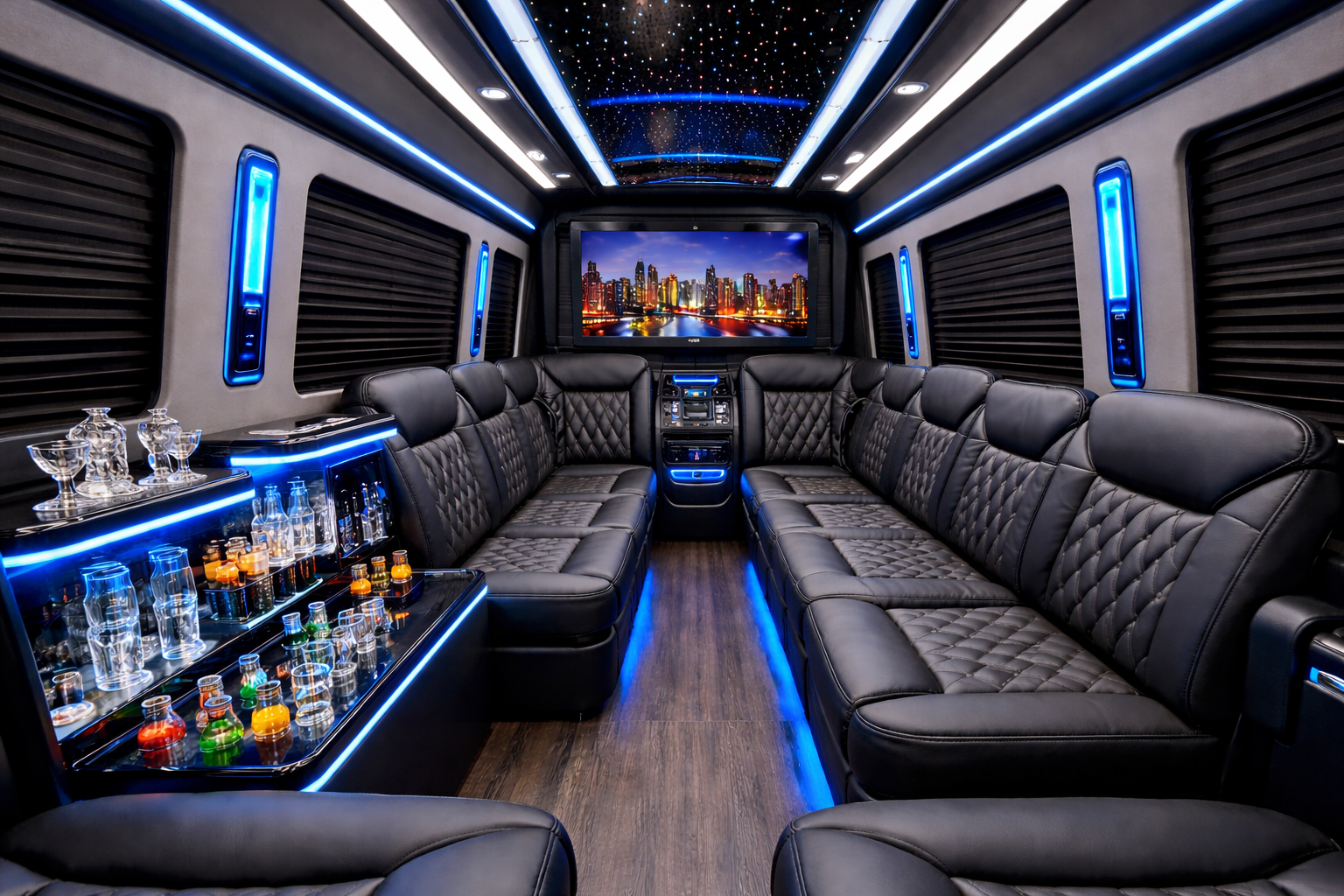
Once you've made the move, the best way to discover Dallas is with a group. Round up your new coworkers, your neighbors, or your transplant friend group and book a party bus tour of the city. Hit the BBQ trail, crawl through Deep Ellum's bars, tour the neighborhoods you're considering, or just cruise the skyline at sunset.
Dallas Party Ride specializes in showing people — newcomers and lifelong locals alike — the best of DFW from the comfort of a fully loaded party bus. Check out our reviews, explore the fleet, and estimate your group's cost with our trip cost calculator.
Welcome to Dallas. You're going to love it here. And when you're ready to celebrate the move, call us at (214) 945-0983.
Share This Article
Dallas Party Ride Team
Dallas Party Bus Experts
The Dallas Party Ride team has been serving the DFW Metroplex with premium party bus, limousine, and coach bus transportation for years. Our expert writers share insider knowledge, local tips, and detailed guides to help you plan the perfect group outing in Dallas-Fort Worth. Have a question? Call us at (214) 945-0983.